Trek Overview
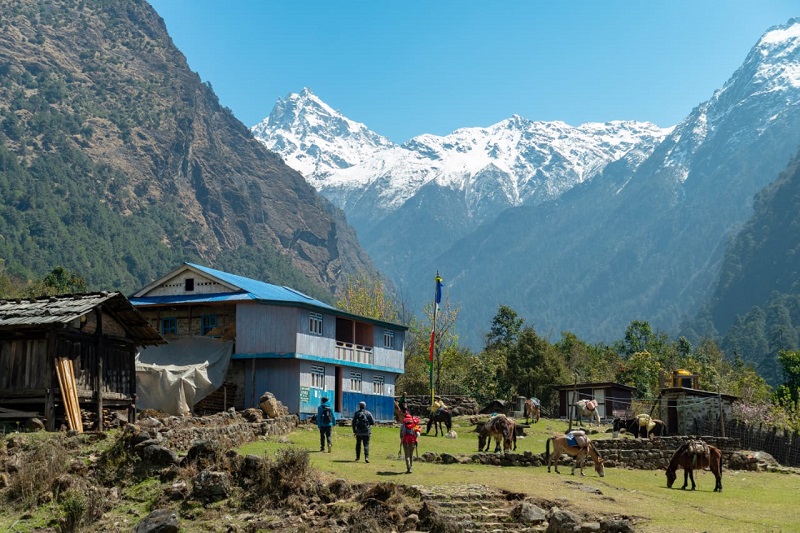
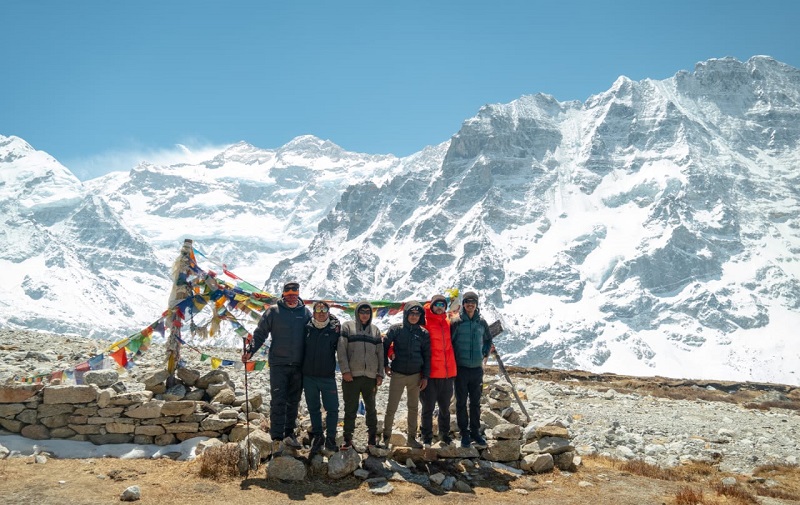
This isolated trek takes place in Eastern Nepal, which is home to Mt. Kanchenjunga, the third-highest peak in the world at 8,596m. This massive peak dominates the southern range of the Himalayas and offers spectacular mountain views.
This section of Nepal has only been open to trekking since 1988, which explains its richness in traditional culture and untouched natural beauty. The Kanchenjunga region has a profusion of high summits, including three peaks above 8,000 meters and eleven peaks above 7,000 meters. It is truly a wonderful trekking destination for adventure seekers.
Your trekking route follows the Tamur River, which meets the Arun River below Mulghat. Numerous glaciers feed this river system. The glaciers north of the main peak include Nupchu, Lhonak, Chichima, Gimsung, Pyramid, Kanchenjunga, and Ramtang. To the west and south of the main peak are Kumbhakarna (Jannu), Yamatari, and Yalung glaciers.
Kangbachenga (4,038m) in the Ghunsa Valley and Walungchung (3,200m) in the Tamur Valley are among the highest settlements in the region. The only access to the Kanchenjunga area is via a road link to Basantapur and a direct air link to Taplejung Bazaar.
There are many trekking options in this region. You can choose your preferred trekking route, and the itinerary can also be customized or extended according to your interests and time.
Trekking at a Glance
21 Days
Hard
5,143m
Tea Houses / Lodges
Trekking, Sightseeing
Mar-May & Sept-Nov
Itinerary
What's Included & Excluded
What's Included
- Airport/Hotel/Airport pick-up and drop-off
- Domestic flights (Kathmandu – Bhadrapur – Kathmandu)
- All ground transportation as per itinerary (private vehicle/jeep)
- Hotel accommodation in Kathmandu with breakfast
- Tea house/lodge accommodation during the trek
- Three meals a day (Breakfast, Lunch, Dinner) during the trek
- Tea and coffee during the trek
- Kanchenjunga Restricted Area Permit
- Kanchenjunga Conservation Area Permit (KCAP)
- Experienced English-speaking trekking guide (salary, food, accommodation, insurance)
- Porter service (1 porter for 2 trekkers)
- All staff costs including salary, insurance, equipment, and accommodation
- First aid medical kit
- Government taxes and official expenses
- Assistant guide for groups above 6 people
What's Not Included
- International airfare to and from Nepal
- Nepal entry visa fee
- Lunch and dinner in Kathmandu
- Travel insurance (must cover high-altitude trekking and emergency evacuation)
- Personal expenses (laundry, phone calls, internet, etc.)
- Drinking water, bottled drinks, and alcoholic beverages
- Hot showers, battery charging, and Wi-Fi during the trek
- Personal trekking equipment
- Emergency evacuation (helicopter rescue)
- Tips for guide, porter, and driver
- Any additional costs due to itinerary changes (weather, landslides, strikes, etc.)
- Any other expenses not mentioned in the “Cost Includes” section
Frequently Asked Questions
How difficult is the Kanchenjunga Base Camp Trek?
This trek is considered moderate to challenging due to its remote location, long trekking days, and high altitude, making it suitable for experienced trekkers.
Do I need permits for this trek?
Yes, you need a Kanchenjunga Restricted Area Permit and a Kanchenjunga Conservation Area Permit (KCAP) to complete this trek.
Is this trek crowded?
No, this is one of the least crowded treks in Nepal due to its remote location, making it ideal for trekkers seeking solitude.
Share Your Experience
Have you completed this trek? Share your experience with fellow adventurers!