Trek Overview
The Everest Base Camp Trek (EBC Trek) is one of the most famous trekking routes in Nepal and a dream adventure for trekkers from around the world. This classic Himalayan trek takes you deep into the Everest region (Khumbu region) and leads you to the base camp of the world’s highest mountain, Mount Everest (8,848 m).
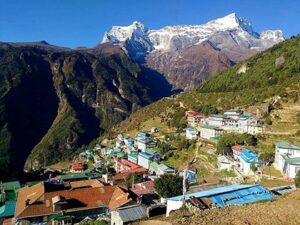
During the trek, you will walk through the stunning landscapes of Sagarmatha National Park, home to rare wildlife, glaciers, rivers, and towering Himalayan peaks. The trail passes through picturesque Sherpa villages such as Namche Bazaar, Khumjung, Tengboche, Dingboche, and Lobuche, where you can experience the rich Sherpa culture, traditions, and hospitality.
A major highlight of the trek is the visit to Tengboche Monastery, the largest and most important Buddhist monastery in the Everest region. Trekkers also hike to Kala Patthar (5,550 m), the best viewpoint for close and spectacular views of Mount Everest, especially at sunrise.
The Everest Base Camp Trek is designed with proper acclimatization days to help trekkers adjust to the high altitude. The journey begins with a scenic mountain flight from Kathmandu to Lukla, followed by a gradual trek through beautiful valleys, suspension bridges, forests, and alpine terrain.
This 15-day Everest Base Camp Trek is suitable for trekkers with good physical fitness and a spirit of adventure. The rewarding experience of standing at Everest Base Camp and witnessing the majestic Himalayas up close makes this trek truly unforgettable.
Trekking at a Glance
15 Days
5,550m
Tea house
Trekking
Mar-May & Sept-Dec
Itinerary
Trek Gallery


What's Included & Excluded
What's Included
- Airport picks up and drops to hotel and Airport transfer
- Three meals a day (Breakfast, Lunch and Dinner) during the trek ( Tea and coffee)
- Two-night hotel in Kathmandu with breakfast.
- Trekking lodge accommodations during the trek.
- All the necessary trekking permits
- Transportation by aircraft to Lukla and back to Kathmandu
- English speaking guide with all his salary, food, drinks, accommodation, transport and insurance.
- A Strong, helpful porter with proper equipment (one porter for two people).
- Medical supplies (first aid kit will be available).
- Government taxes and official expenses.
- Assistant guide group size above 6+ persons.
What's Not Included
- International flight.
- Travel insurance (if you want us to arrange your travel insurance, we would greatly be happy to assist
- Nepal entry visa fee.
- Your personal nature of expenses
- Lunch and Dinner while you are in Kathmandu
- Drinking water and hard drinks and cold drinks.
- Battery charging and hot shower, laundry, phone call, internet during the trek on the tea houses.
- Personal Trekking Equipments like sleeping bags, jackets (can all be hired in KTM)
- Emergency Evacuation (Helicopter Rescue).
- Any costs which arise due to a change of the itinerary, because of landslides, political disturbance, and strikes
- Any other costs whatsoever, that is not mentioned in the cost included.
- Horse renting and additional porters due to natural calamities during the trek.
- Tips for the guide, porter and driver (Tipping is expected)
Frequently Asked Questions
How long do we walk every day when doing everest base camp Trek?
During the Everest Base Camp Trek, trekkers usually walk around 5 to 6 hours per day on average. Some days may be shorter or longer depending on the itinerary, altitude, and trail conditions. The walking pace is moderate, allowing enough time for rest, acclimatization, and enjoying the beautiful Himalayan scenery along the trail.
How fit do I need to be to do this trek?
The Everest Base Camp Trek requires a good level of physical fitness. Trekkers should be in good health and able to walk for several hours each day at high altitude. This trek is suitable for people between 12 and 65 years old who have average to good physical fitness and some hiking experience. Regular walking, cardio exercise, and basic trekking preparation before the trip are highly recommended.
What is the highest altitude reached in this trek?
The highest altitude reached during the Everest Base Camp Trek is Kala Patthar at 5,550 meters above sea level. Kala Patthar is one of the best viewpoints in the Everest region and offers spectacular panoramic views of Mount Everest, Nuptse, Lhotse, and other surrounding Himalayan peaks.
What about battery charging and hot shower facilities?
Battery charging and hot shower facilities are available at most tea houses along the Everest Base Camp Trek route. However, these services usually require an extra fee, typically around $1 to $5 depending on the location and altitude. Trekkers are recommended to bring their own charging cables, power banks, and essential electronics for convenience during the trek.
Are there ATMs on the way to Everest Base Camp Trek?
There are very limited ATM facilities along the Everest Base Camp trekking route. The most reliable place to withdraw cash is in Kathmandu before starting the trek. While there is an ATM in Namche Bazaar, it may not always work due to technical issues. It is recommended to carry enough Nepali rupees for personal expenses during the trek.
What about internet access?
Internet access is available in many tea houses along the Everest Base Camp Trek route. Wi-Fi services are usually provided for an additional charge. However, the internet connection in the Everest region may be slow or unstable due to the remote mountain location and weather conditions.
Is it necessary to hire guides or a trekking agency for Everest Base Camp Trek?
Hiring a guide or trekking agency for the Everest Base Camp Trek is highly recommended, especially for first-time trekkers in Nepal. A professional guide helps with navigation, safety, altitude management, and local knowledge of the Everest region. While experienced trekkers can complete the trek independently, going with a guide or trekking agency makes the journey safer and more comfortable.
How much do guides and porters cost?
In the Everest region, hiring a trekking guide typically costs around $25 to $30 per day. A porter usually costs around $15 to $20 per day. Guides provide navigation, safety support, and local knowledge, while porters help carry trekking luggage so trekkers can walk comfortably and enjoy the journey.
Share Your Experience
Have you completed this trek? Share your experience with fellow adventurers!
Group Pricing